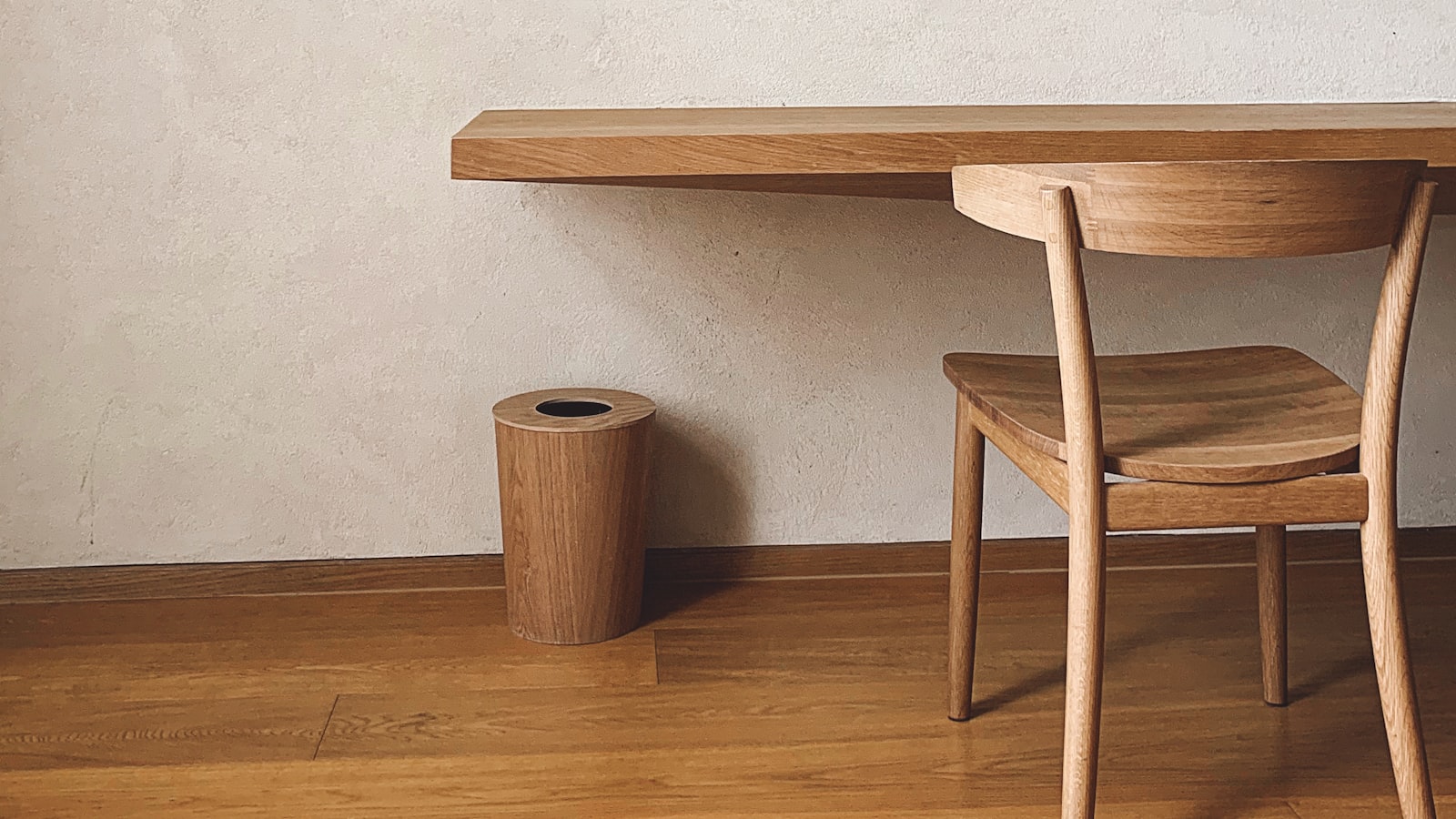
There's a particular trap in small-space living. You feel cramped, so you buy storage. The storage takes up floor space, which makes the room feel smaller, so you feel cramped, so you buy more storage. I've walked into studios so packed with organizing products that the products themselves were the clutter.
Real small-space storage isn't about cramming more in. It's about using the space you're ignoring, choosing things that pull double duty, and — this is the part people skip — owning less so the storage you do have can breathe. Let's get into the moves that actually work.
Look up: the walls are doing nothing#
Stand in your smallest room and look at the wall above your own eye level. In most homes, that entire band — from roughly head height to the ceiling — is empty. That's free real estate, and it's the single biggest opportunity in a small space.
Vertical storage works because it adds capacity without eating the floor, and floor space is what makes a room feel open. A few ways to claim it:
- Wall shelves mounted high for things you reach for rarely — seasonal items, books, decor that earns its keep.
- A row of hooks or a rail near the entry for bags, keys, coats, so they're off chairs and counters.
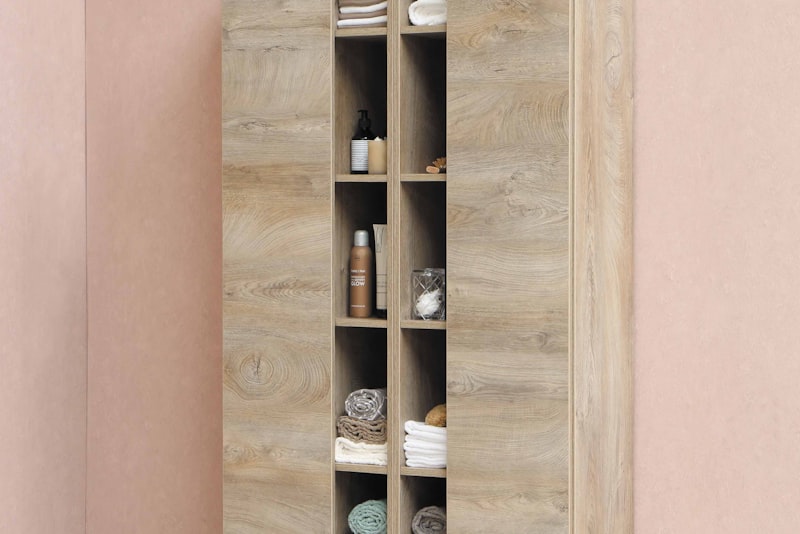
- Tall, narrow shelving that goes up rather than out, fitting into the slivers of wall beside doorways and windows.
- Pegboard in a kitchen or work corner, where you can hang tools and rearrange them as your needs change.
One caution from experience: keep the lower portion of the wall, at sitting eye level, relatively clear. A room reads as calm when the busy storage lives high and the line of sight stays open. Pack everything to chest height and even a well-organized room feels like a storage unit.
Make furniture do two jobs#
In a small home, every piece of furniture should justify its footprint. The most valuable pieces aren't the prettiest — they're the ones quietly storing things inside themselves.
A storage bench by the door holds shoes and gives you a place to sit while you put them on. An ottoman with a hollow interior swallows blankets and doubles as a coffee table or extra seat. A bed frame with built-in drawers turns the biggest object in your home into a dresser. A coffee table with a shelf underneath, a console with closed cabinets, a bed that lifts to reveal a deep well beneath — all of these give you capacity without adding a single new object to the floor plan.
The best small-space furniture earns its footprint twice: once for what it is, and once for what it hides.
When you're shopping, get in the habit of asking a blunt question of every piece: what does this store? If the honest answer is "nothing," and you're tight on space, keep looking. A dining table is just a table. A dining table with a drawer is a table that also handles your napkins, chargers, and the junk that would otherwise pile on top of it.
The two zones hiding in plain sight#
Under the bed#
Under-bed space is the most underused storage in the average home, partly because it's annoying to access. Flat, lidded bins on shallow wheels fix that — you slide them out, not crawl after them. It's ideal for things you need seasonally rather than daily: off-season clothes, spare bedding, the suitcase you use twice a year.
Two rules keep this from becoming a black hole. First, shallow beats deep — a stuffed deep bin means you stop using the things at the bottom. Second, label the bins, even in a way only you understand. Under-bed storage is out of sight, and out of sight quietly becomes forgotten.
The backs of doors#
Every door in your home has a flat vertical surface on the inside that's doing absolutely nothing. An over-the-door rack or a set of hooks turns it into storage in minutes, no tools, no wall damage — which matters if you rent.
A pantry door holds spices and wraps. A bathroom door holds towels or toiletries. A closet door holds shoes, scarves, or cleaning supplies. Bedroom door, coat closet door, even the back of a cabinet door under the sink — each one is a thin slice of capacity you already own.
The rule that makes all of this work#
Here's the part that's easy to skip and impossible to skip: storage solutions don't reduce your stuff. They just relocate it. If you fill a small home to the brim and then add clever storage, you'll have a brim-full home with cleverer hiding spots. It'll still feel tight, because it is.
So before you buy a single bin, edit. Go through the category you're trying to store and be honest about what you actually use. The goal in a small space isn't to find a home for everything you own — it's to own a little less so that everything you keep has a comfortable home, with a margin of empty space around it.
That margin is the whole secret. A drawer that's two-thirds full feels luxurious and stays organized. A drawer crammed to the edges feels stressful and falls apart within a week. In a small home, empty space isn't wasted space — it's what keeps the place from feeling like a box you live inside.
Putting it together without overdoing it#
You don't need every idea here. Pick the ones that fit your actual frustrations. Forever losing your keys and coat by the door? Start with hooks and a storage bench at the entry. Bedroom feels stuffed? Go under the bed and up the walls. Renting and can't drill? Lean entirely on over-the-door racks and dual-purpose furniture.
A small home doesn't have to feel small. It just has to be edited, vertical, and a little clever. Use the walls you're wasting, the furniture that hides things, the doors you walk past, and the space under your bed — and leave yourself room to breathe. That breathing room is what turns a cramped space into a cozy one.