The front of your house is the one part you almost never look at properly. You walk past it every day with your keys out, focused on the lock, and you stop seeing it. But everyone else sees it first, and a tired entrance quietly drags down the whole place. The reassuring part is that curb appeal responds beautifully to small, cheap effort. You don't need to repave the drive or rip out the garden. You need a weekend, a bit of paint, and a fresh look at something you've stopped noticing.
When I managed renovation projects, the exterior was usually the last thing the budget reached, so I got good at making it look intentional for very little. Here's where that money and effort goes furthest.
Start by cleaning, not buying#
Before you spend anything, spend an afternoon cleaning. It's astonishing how much "tired" is really just "dirty." Wash the front door and the windows beside it. Sweep the path and the porch. Clear leaves out of corners and from the gutters you can safely reach from the ground. Wipe down the mailbox and the light fixture by the door.
If you have a garden hose and a stiff brush, you can lift grime off concrete, siding, and steps. Pressure washers do this faster, but they can also strip paint, gouge soft brick, and force water under siding if you get too close or pick the wrong tip. If you rent one, read the instructions, start at a distance, and keep the spray off windows, light fixtures, and anything fragile.
Cleaning costs almost nothing and frequently does half the job on its own. Only after the place is clean can you see what actually needs fixing, which stops you from spending money in the wrong spots.
The front door is your best dollar#
If you do one thing, paint the front door. A door is a small surface, so a single can of exterior paint covers it, and a confident color against a neutral house reads as deliberate and welcoming. Pick something that suits your home rather than chasing a trend; a deep, classic shade rarely looks dated.
While the door is your focus, look at the hardware too. A handle and lock set can be cleaned up or, if it's truly worn, swapped for an inexpensive new one. Matching the finish of the handle, the knocker, and any letter plate makes the whole door look pulled together for almost nothing.
Stand at the curb, not the doorstep, and look at your house the way a stranger would. The things that jump out from there are the things worth fixing first.
That curb-level view is honestly the most useful tool in this whole project. Problems that are invisible up close, like a crooked number or a dead shrub, are the first things a passerby registers.
Numbers, planters, and the small signals#
A few tiny details signal "cared-for" out of all proportion to their cost.
- House numbers. If yours are faded, mismatched, or hard to read from the street, replace them. Clear numbers help deliveries and emergency services find you, and a clean modern set instantly sharpens the entrance.
- A pair of planters. Two matching planters flanking the door is an old stylist trick because symmetry reads as polished. Fill them with something hardy that suits your light and climate, and you've framed the entrance for the price of two pots and some plants.
- The mailbox and bin area. A leaning mailbox or a row of bins on display undoes a lot of good work. Straighten, clean, or screen them.
- A simple doormat. A fresh mat is cheap, covers a worn threshold, and makes the door feel finished.
None of these is a big purchase, but together they're the difference between a house that looks neglected and one that looks loved.
Tidy the landscaping you already have#
You don't need a new garden; you need the one you have to look deliberate. Overgrowth is what makes a yard read as neglected, so the fastest win is editing rather than planting.
Trim shrubs back off the path and away from windows so light reaches the house and the entrance feels open. Pull the obvious weeds. Edge where the lawn meets the path or bed, because that crisp line does a surprising amount of work. If you have bare soil in beds, a layer of fresh mulch tidies everything and is inexpensive by the bag.
Keep it realistic about your own time. There's no point planting something thirsty and high-maintenance if you know you won't water it. Choose plants suited to your region and the amount of sun that spot actually gets, and you'll spend far less time and money keeping it alive.
Light the entrance well#
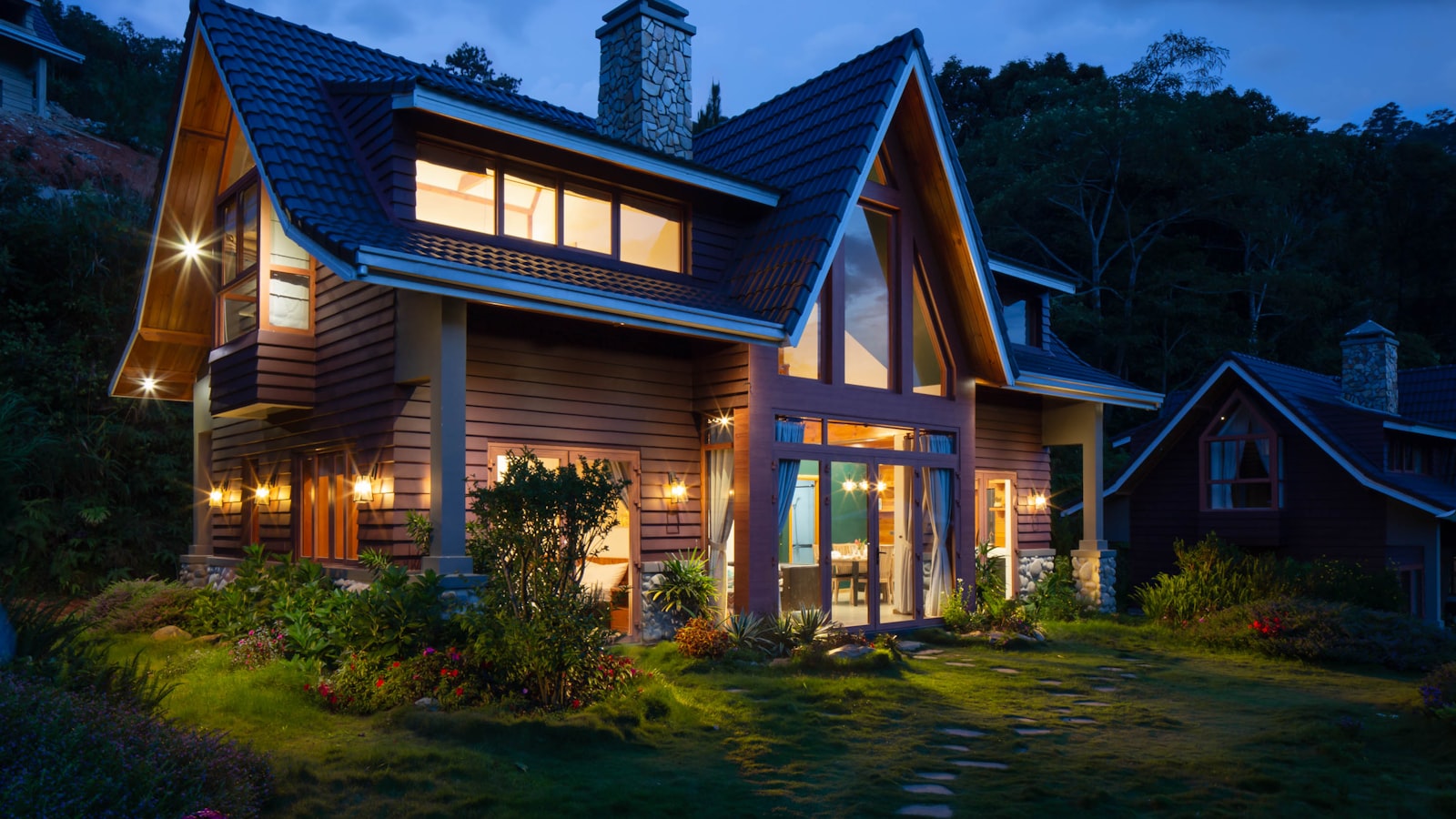
Exterior lighting does two jobs: it makes the house feel warm and welcoming in the evening, and it helps you see your way to the door safely. If your existing fixture is grimy or dated, cleaning it or swapping the shade and bulb is a quick lift. Use a warm-toned, weather-rated bulb so the entrance glows rather than glares.
For lighting a path or a planting bed, low-voltage and solar fixtures are the easy route because they need no new wiring. Solar stakes simply push into the ground and charge during the day, which makes them a genuinely no-risk upgrade.
Anything that involves new wiring, replacing a hardwired fixture, or adding a new circuit is where I stop and call in a licensed electrician. Outdoor electrical work has to handle weather and moisture, and it needs to meet your local codes. That's not a place to improvise.
Pull it together#
Curb appeal isn't one grand gesture; it's a stack of small, honest improvements that add up. Clean first so you can see clearly. Paint the door, sharpen the numbers, flank the entrance with a pair of planters, tidy what's already growing, and warm the whole thing with good light at night. Most of this fits in a weekend and a modest budget, and the payoff greets you every single time you come home.