
High thermal conductivity materials are revolutionizing precision temperature control across industries, enabling unprecedented micro-regulation capabilities that drive innovation in electronics, aerospace, and energy systems.

🔬 The Foundation of Thermal Management Excellence
In the modern technological landscape, thermal management has emerged as a critical bottleneck limiting device performance, energy efficiency, and system reliability. High thermal conductivity materials represent the cornerstone of advanced micro-regulation strategies, offering pathways to dissipate heat with precision previously thought impossible. These materials don’t just move heat—they orchestrate thermal flow with surgical accuracy, enabling engineers to maintain optimal operating temperatures within micrometers of critical components.
The physics underlying thermal conductivity reveals why certain materials excel at heat transfer. Thermal conductivity measures a material’s ability to conduct heat through its structure, quantified in watts per meter-kelvin (W/m·K). While common materials like aluminum hover around 200 W/m·K, advanced materials such as diamond, graphene, and specialized composites can exceed 2000 W/m·K, representing a tenfold improvement in thermal management capability.
Understanding Material Properties That Drive Performance
The atomic and molecular structure of high thermal conductivity materials determines their exceptional heat transfer capabilities. Materials with strong atomic bonding, low atomic mass, and crystalline structure typically demonstrate superior thermal conductivity. Diamond achieves its remarkable thermal performance through tightly-bonded carbon atoms arranged in a perfect crystalline lattice, creating efficient pathways for phonon transmission—the primary mechanism of heat transfer in non-metallic solids.
Metals conduct heat differently, relying on free electrons to transport thermal energy. Copper and silver rank among the best metallic thermal conductors, with values around 400 W/m·K and 429 W/m·K respectively. However, their electrical conductivity can create complications in applications requiring thermal management without electrical pathways, driving demand for electrically insulating yet thermally conductive materials.
Emerging Material Classes Transforming Thermal Engineering
Recent breakthroughs have introduced material classes that redefine thermal management possibilities. Graphene, a single-layer carbon structure, demonstrates theoretical thermal conductivity exceeding 5000 W/m·K, though practical applications face integration challenges. Carbon nanotube arrays, when properly aligned, approach diamond’s thermal performance while offering unique mechanical properties and design flexibility.
Phase change materials (PCMs) represent another innovative approach, absorbing or releasing substantial thermal energy during state transitions. When combined with high thermal conductivity matrices, PCMs create hybrid systems capable of both rapid heat transfer and substantial thermal buffering, ideal for applications experiencing intermittent thermal loads.
⚡ Precision Micro-Regulation Techniques
Mastering micro-regulation requires more than selecting high-performance materials—it demands sophisticated integration strategies that optimize thermal pathways while addressing practical constraints. Engineers must consider thermal interface resistance, geometric optimization, and system-level thermal architecture to unleash material capabilities fully.
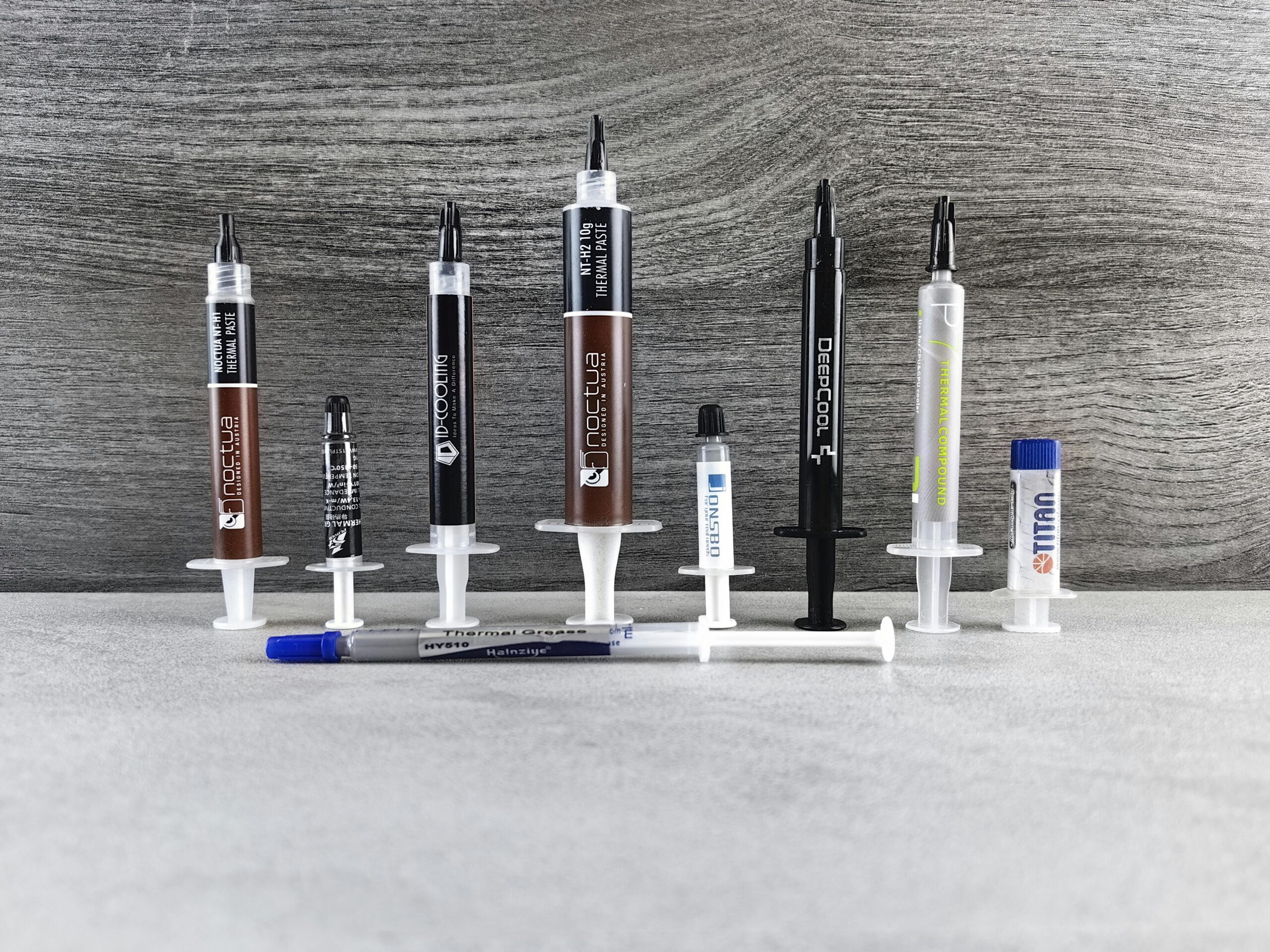
Thermal interface materials (TIMs) bridge the microscopic gaps between components and heat spreaders, where air pockets would otherwise create insulating barriers. Advanced TIMs incorporating nanoparticles, carbon structures, or liquid metals minimize thermal resistance at these critical junctions, often representing the difference between adequate and exceptional thermal performance.
Spatial Thermal Mapping and Targeted Deployment
Effective micro-regulation begins with understanding where heat generates and accumulates within systems. Thermal imaging, finite element analysis, and computational fluid dynamics modeling reveal hotspot locations, thermal gradients, and flow patterns. This intelligence guides strategic placement of high thermal conductivity materials where they deliver maximum impact per unit cost and weight.
Gradient material designs further enhance efficiency by matching thermal conductivity to local requirements. Areas near heat sources receive ultra-high conductivity materials, while zones requiring thermal isolation incorporate barriers or lower conductivity alternatives. This heterogeneous approach optimizes overall system performance while controlling costs and complexity.
Industry Applications Driving Innovation Forward
The electronics industry faces perhaps the most pressing thermal challenges, with processor densities and power consumption climbing exponentially. Modern CPUs and GPUs generate heat fluxes exceeding 100 watts per square centimeter, concentrated in areas smaller than a fingernail. High thermal conductivity materials enable thermal solutions compact enough to fit within slim devices while preventing thermal throttling that degrades performance.
Smartphones exemplify micro-regulation mastery, incorporating graphite sheets, vapor chambers, and specialized thermal pads to manage heat within millimeters-thin profiles. These solutions maintain comfortable surface temperatures while protecting temperature-sensitive components like batteries and displays, all without compromising aesthetics or usability.
🚀 Aerospace and Automotive Thermal Demands
Aerospace applications present extreme thermal challenges spanning cryogenic temperatures in fuel systems to searing heat during atmospheric reentry. High thermal conductivity materials enable thermal protection systems, electronics cooling in avionics bays, and temperature stabilization of precision instruments. Weight constraints make material selection critical—every gram saved translates to improved fuel efficiency or increased payload capacity.
Electric vehicles depend on sophisticated battery thermal management to ensure safety, longevity, and consistent performance across ambient conditions. Thermal spreaders constructed from high conductivity materials distribute heat from individual cells throughout battery packs, preventing localized overheating that accelerates degradation or triggers thermal runaway. These systems maintain batteries within ideal temperature windows of 20-40°C, maximizing capacity and cycle life.
Overcoming Implementation Challenges
Despite their exceptional properties, high thermal conductivity materials present implementation challenges that engineers must navigate. Cost frequently tops the list—diamond and graphene-based solutions command premium prices that restrict applications to high-value systems. Manufacturing processes for specialized thermal materials may require equipment and expertise beyond typical production capabilities.
Material compatibility issues arise when integrating dissimilar materials. Thermal expansion mismatches create mechanical stresses during temperature cycling, potentially causing delamination, cracking, or performance degradation. Engineers must carefully match expansion coefficients or design compliant interfaces that accommodate differential expansion without compromising thermal pathways.
Balancing Multiple Performance Parameters
Thermal conductivity rarely stands alone among design requirements. Materials must simultaneously address mechanical strength, electrical properties, chemical stability, and processing compatibility. Copper offers excellent thermal performance but oxidizes in many environments, while ceramics provide electrical insulation and chemical inertness at the cost of brittleness and processing difficulty.
Composite materials increasingly solve these multi-parameter optimization challenges by combining complementary properties. Copper-diamond composites leverage diamond’s thermal conductivity while copper provides structural integrity and ease of manufacturing. Polymer matrices filled with boron nitride particles create electrically insulating thermal interfaces suitable for electronics applications.
🔧 Design Methodologies for Maximum Impact
Systematic design approaches transform high thermal conductivity materials from passive components into active thermal regulation systems. Thermal resistance networks model heat flow through systems, identifying bottlenecks that most limit performance. Engineers calculate the cumulative thermal resistance from heat source through each interface, material layer, and boundary condition to the ultimate heat sink.
This analysis frequently reveals that overall thermal resistance concentrates in interfaces and boundary layers rather than bulk materials. Consequently, improving thermal interface performance often delivers greater benefits than upgrading spreader materials. A comprehensive optimization strategy addresses all thermal resistances proportionally, eliminating bottlenecks systematically rather than over-designing individual components.
Active vs. Passive Thermal Architectures
High thermal conductivity materials enable both passive and active thermal management strategies. Passive approaches rely solely on conduction through materials and natural convection to ambient air, offering reliability, silence, and zero power consumption. Heat pipes and vapor chambers function as passive devices that leverage phase change physics to transport heat with effective thermal conductivities exceeding 100,000 W/m·K.
Active systems incorporate fans, pumps, or thermoelectric devices to enhance heat transfer, accepting complexity and power consumption in exchange for superior thermal performance. Hybrid architectures combine passive thermal spreading with active air or liquid cooling, leveraging high conductivity materials to distribute heat to finned surfaces where forced convection achieves final heat rejection.
Testing and Validation Best Practices
Verifying thermal performance requires measurement techniques that capture material properties and system-level behavior accurately. Laser flash analysis determines thermal diffusivity of material samples, while thermal test vehicles equipped with embedded sensors map temperature distributions under realistic operating conditions. Infrared thermography provides non-contact temperature measurement across entire surfaces, revealing thermal anomalies invisible to point sensors.
Accelerated thermal cycling tests evaluate long-term reliability by subjecting assemblies to repeated temperature swings that simulate months or years of field operation in compressed timeframes. These tests expose interface degradation, solder joint fatigue, and other failure modes that only manifest after extended thermal stress.
📊 Interpreting Thermal Performance Metrics
Understanding thermal metrics ensures appropriate material selection and performance expectations. Thermal conductivity describes material properties, while thermal resistance characterizes component-level performance including thickness and interface effects. Junction-to-ambient thermal resistance provides a complete system metric capturing all thermal resistances from heat source to environment.
Transient thermal response reveals how quickly systems respond to changing loads—critical for applications with rapidly varying power dissipation. Thermal time constants indicate response speed, while thermal capacitance describes energy storage capacity that dampens temperature fluctuations.
Future Directions in Thermal Materials Science
Research frontiers promise even more capable thermal management solutions. Two-dimensional materials beyond graphene, including hexagonal boron nitride and transition metal dichalcogenides, offer unique property combinations suited to specific applications. Metamaterials with engineered thermal properties may enable thermal cloaking, rectification, or other exotic thermal manipulation capabilities.
Additive manufacturing opens design possibilities impossible with conventional fabrication, including optimized fin geometries, conformal cooling channels, and functionally graded material compositions. As 3D printing technologies advance to include high thermal conductivity materials like copper and specialized composites, thermal management solutions will evolve from standardized components to application-optimized custom designs.
🌍 Sustainability and Circular Economy Considerations
Environmental considerations increasingly influence material selection decisions. High thermal conductivity materials that enable system efficiency improvements—reducing power consumption and extending product lifespans—contribute positively to sustainability goals. However, manufacturing processes, material sourcing, and end-of-life recyclability require evaluation within comprehensive lifecycle assessments.
Graphite-based thermal materials offer advantages as carbon sources can potentially integrate with circular economy frameworks. Research into bio-derived thermal management materials explores possibilities for renewable feedstocks, though performance currently lags synthetic alternatives. As environmental regulations tighten and corporate sustainability commitments mature, thermal material selection will increasingly balance performance against environmental impact.
Building Thermal Management Expertise
Mastering micro-regulation requires interdisciplinary knowledge spanning materials science, heat transfer physics, manufacturing processes, and application-specific constraints. Engineers benefit from understanding both theoretical foundations and practical implementation details that determine real-world performance.
Simulation tools accelerate learning by allowing virtual experimentation with materials, geometries, and operating conditions. Thermal analysis software packages provide environments for testing design concepts before committing to physical prototypes, reducing development time and costs while building intuition about thermal behavior.
Collaboration between material scientists, thermal engineers, and manufacturing specialists ensures solutions remain practical and cost-effective. Cross-functional teams navigate tradeoffs between ideal thermal performance and constraints imposed by production capabilities, supply chains, and economic realities.
Implementing Excellence in Your Applications
Successful thermal management begins with establishing clear performance requirements based on component temperature limits, reliability targets, and operating environments. These specifications guide material selection, thermal architecture decisions, and validation criteria throughout development.
Prototyping and iterative refinement remain essential despite advanced simulation capabilities. Physical testing reveals interface behaviors, manufacturing variations, and integration issues that models may overlook. Early thermal testing identifies problems when design changes remain relatively inexpensive, preventing costly redesigns later in development.
Documentation of thermal design decisions, test results, and lessons learned builds organizational knowledge that accelerates future projects. Thermal management best practices, material performance databases, and validated simulation models become competitive advantages as complexity increases across product portfolios.
High thermal conductivity materials represent enabling technologies that unlock new performance levels across countless applications. By mastering micro-regulation through thoughtful material selection, sophisticated integration techniques, and systematic design methodologies, engineers transform thermal challenges into competitive advantages. The continuing evolution of thermal materials and growing demand for efficient, reliable systems ensures this field will remain dynamic and critical for technological advancement.